


Estimated reading time: 10 minutes
Introduction
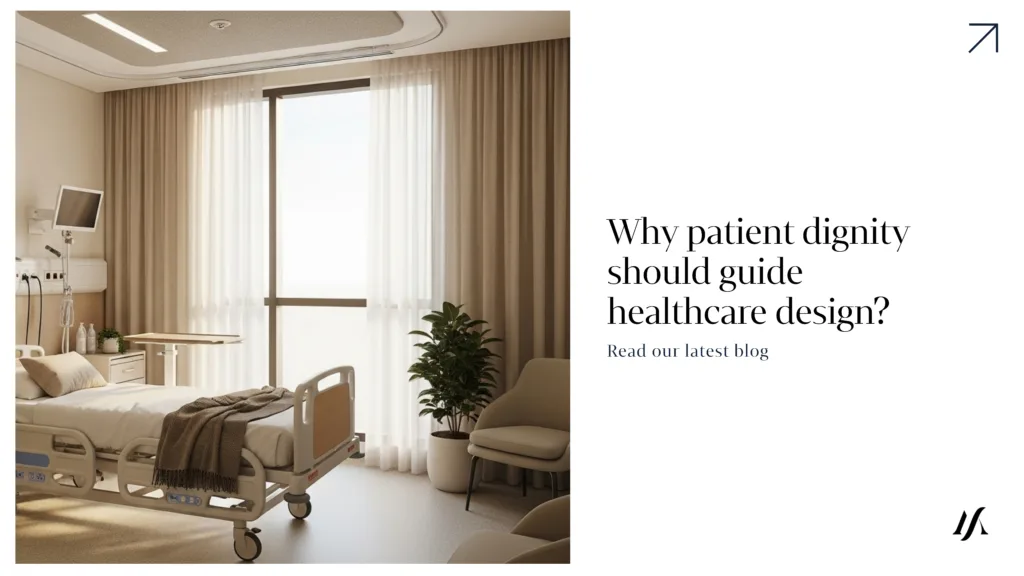
For healthcare architecture firms and hospital architects in the UAE and GCC, this blog translates evidence-based research into practical planning strategies that honor patient dignity and improve outcomes.
Humanistic health architecture treats the environment as an active participant in healing and treatment. It prioritizes dignity, cultural respect, and psychosocial needs, with design choices that influence anxiety, sleep, perceived control, and communication. In the UAE and GCC, rapid healthcare expansion intersects with strong cultural and religious values. Privacy requirements—particularly gender-appropriate spaces—family participation areas, and prayer facilities must be integrated alongside clinical rigor.
Table of contents

Why Patient Dignity Should Guide Healthcare Design
Patient dignity remains chronically undervalued in healthcare facility design despite mounting evidence of its importance.
Current healthcare systems are often characterized by segmentation and separation of medical specialties, structured into departments that offer specialized services but lack proper coordination with the rest of the healthcare ecosystem. Consequently, patients must navigate from doctor to doctor, repeatedly explaining their symptoms and medical history, a serious drawback of current hospital structures.
The emotional and ethical case for dignity
Compassion has been recognized as a standard of care and core component of patients’ healthcare experience, yet studies consistently show it is lacking and much in need of improvement from various angles.
This absence carries significant consequences like increased patient complaints, higher healthcare costs, and more adverse medical events have all been linked to environments lacking compassion.
Beyond clinical outcomes, patients themselves emphasize that empathy and compassion are equally important as training and experience when selecting a physician or place of care. Many would change doctors if they perceived their current physician as uncaring.
Compassionate interactions foster open and honest dialogue between healthcare providers, patients, and families, helping identify potential risks that could impact patient outcomes or even endanger patient safety. Notably, patient perspectives remain underrepresented in healthcare design research—according to a 2022 systematic review, only 30% of studies include patients, and largely in a limited fashion.
How design impacts patient experience
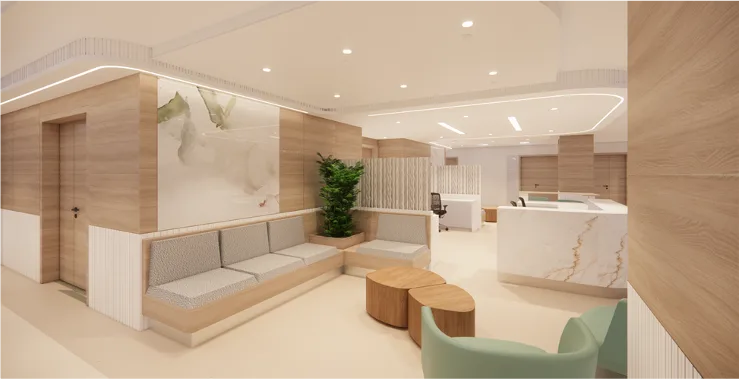
Cognitive psychologists have identified the physical environment as having significant impact on safety and human performance. Researchers have established clear links between physical environment and both patient outcomes (fewer adverse events, better healthcare quality) and staff results (reduced stress, increased effectiveness).
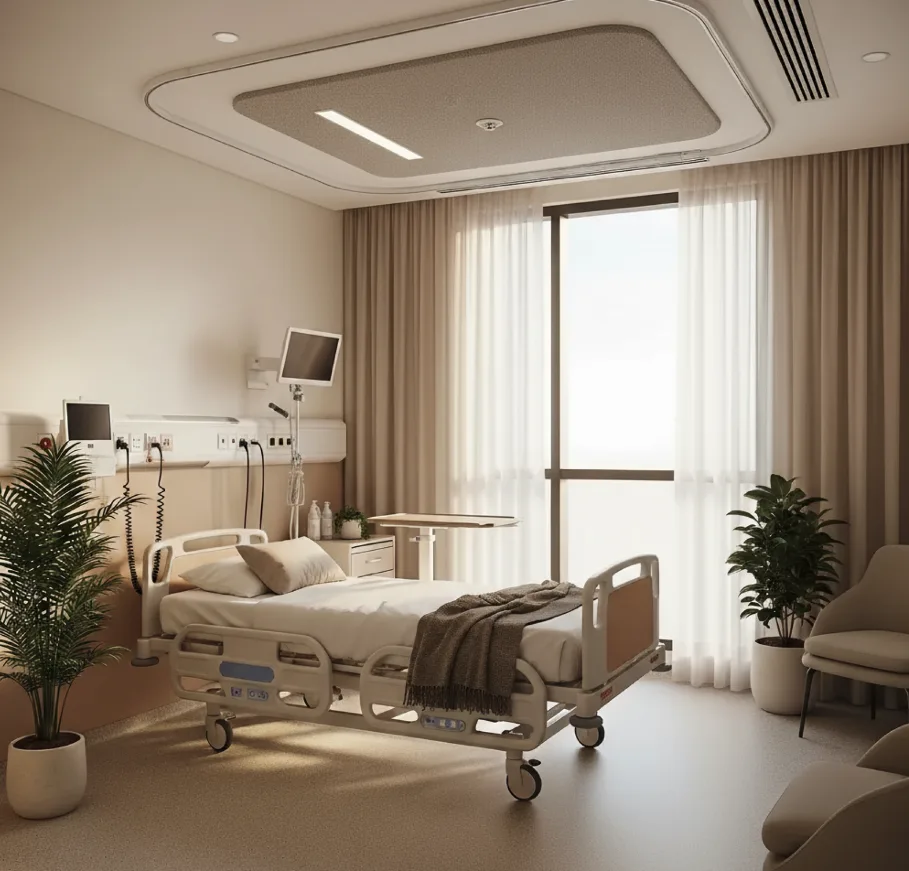
Well-designed patient rooms help foster measurable healing benefits. Research shows that single-bed configurations with high-performance sound-absorbing ceilings minimize disruptive noise that otherwise exceeds World Health Organization guidelines in many hospitals.
These rooms also reduce airborne and surface-borne infections while increasing patient satisfaction. When combined with natural light and views of nature, the benefits amplify—patients experience faster healing, consume less medication, and are discharged sooner. A study of bipolar patients found that rooms with abundant natural sunlight resulted in hospital stays shortened by four days compared to those with less natural light.
Design elements such as soothing colors, adequate privacy, and intuitive wayfinding systems minimize confusion and disorientation, reducing stress that can be a significant barrier to healing.
Healthcare architect and medical planner Amir Greiss argues that built environments should be held to the same standard of review and consideration as medication administration and surgical procedures, as they demonstrably alter behavior, shape patient-clinician interactions, and influence treatment outcomes.
From compliance to compassion
Many healthcare organizations have been shaped by a culture of compliance: checklists, documentation metrics, and productivity goals. Although these remain important, a purely compliance-driven approach frequently overlooks holistic patient needs and inadvertently leads to missed opportunities:
- Inaccurate documentation due to rushed visits
- Delayed or denied authorizations stemming from poor communication
- Patients requesting discharge due to perceived lack of value
The shift from compliance to compassion represents not just an ethical imperative but a strategic one. Patient-focused culture is increasingly recognized as an operational and financial strategy: when care aligns with what patients need, want, and value, operational efficiency and financial performance improve in measurable ways. The return on investment for dignity-centered design is compelling:
- Higher satisfaction
- Stronger clinical outcomes
- Fewer readmissions
- Improved ratings
Nevertheless, this transformation requires intentional cultivation of culture that aligns business strategy with patient-centered values, including leadership modeling, clinician empowerment, and interdisciplinary alignment.
Core Principles of Dignity-Centered Design
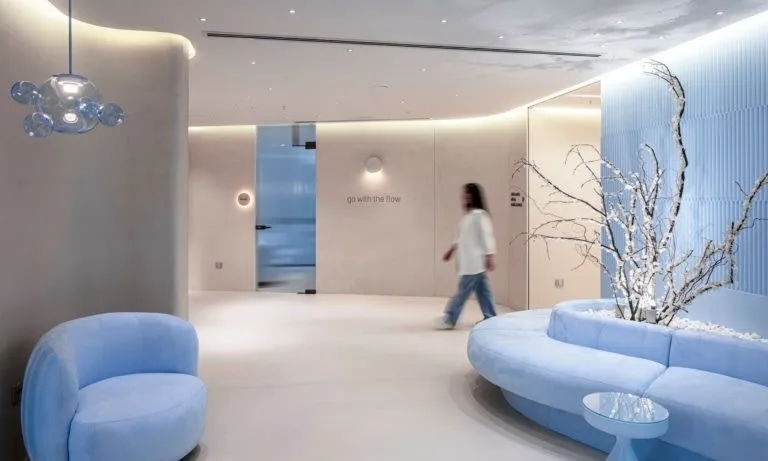
At its core, dignity-centered design recognizes that healthcare environments must acknowledge the personhood of each individual. This approach challenges us to prioritize human worth and ethical responsibility in our work, recognizing that nothing we design is neutral.
Human-centered design in healthcare
Human-centered design in healthcare positions people as active participants—experts in their own life challenges—rather than passive recipients of care. This model involves listening and learning from patients’ lived experiences to uncover needs and understand challenges.
We’ve found that engaging directly with patients reveals crucial insights that might otherwise remain hidden. For instance, a patient labeled “noncompliant” for missing appointments might actually be the sole breadwinner, unable to attend during standard hours. Through human-centered design methods, we can identify these barriers and develop appropriate solutions, such as adjustable scheduling, easy to navigate parking, and structured registrations.
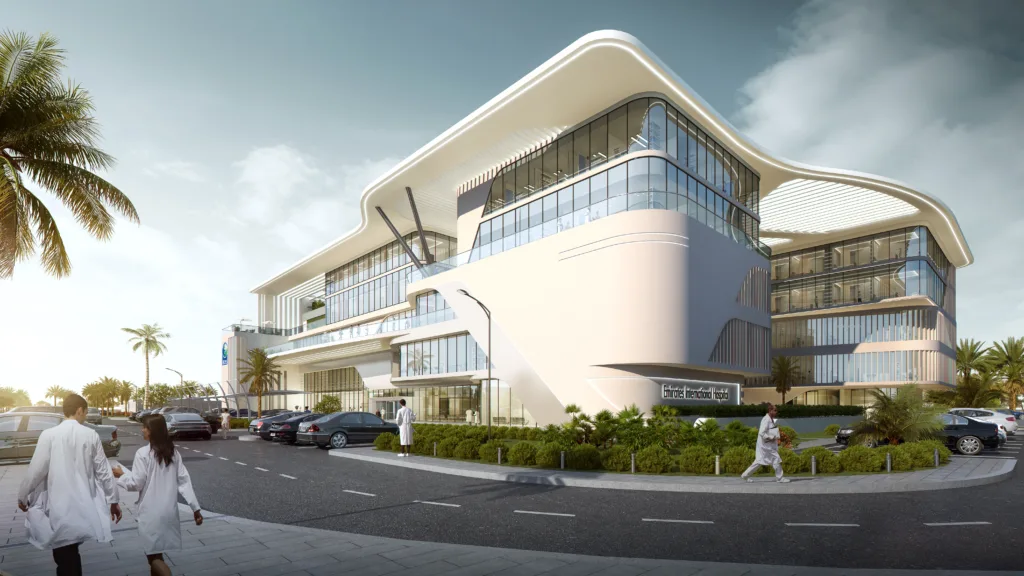
Emirates International Hospital
Evidence-based design in healthcare facilities
Evidence-based design involves basing decisions about the built environment on credible research to achieve optimal outcomes. This approach recognizes that physical environments significantly impact patient stress, safety, staff effectiveness, and quality of care.
Research from the Agency for Healthcare Research and Quality demonstrates that well-designed healthcare spaces can reduce costly incidents of patient harm, including falls, hospital-acquired infections, and medication errors.
Design decisions should be held to the same standard of review and consideration as medication administration and surgical procedures because they demonstrably alter behavior, shape interactions, and influence treatment outcomes. When implementing evidence-based design, it’s essential to evaluate the credibility of research, considering factors such as sample sizes, repeatability of studies, and practical applications.
The integration of these three complementary approaches—human-centered, trauma-informed, and evidence-based design, creates a comprehensive framework for healthcare environments that truly honor human dignity while delivering measurable improvements in outcomes.
Design Strategies That Support Dignity
Biophilic design in healthcare: nature as healing
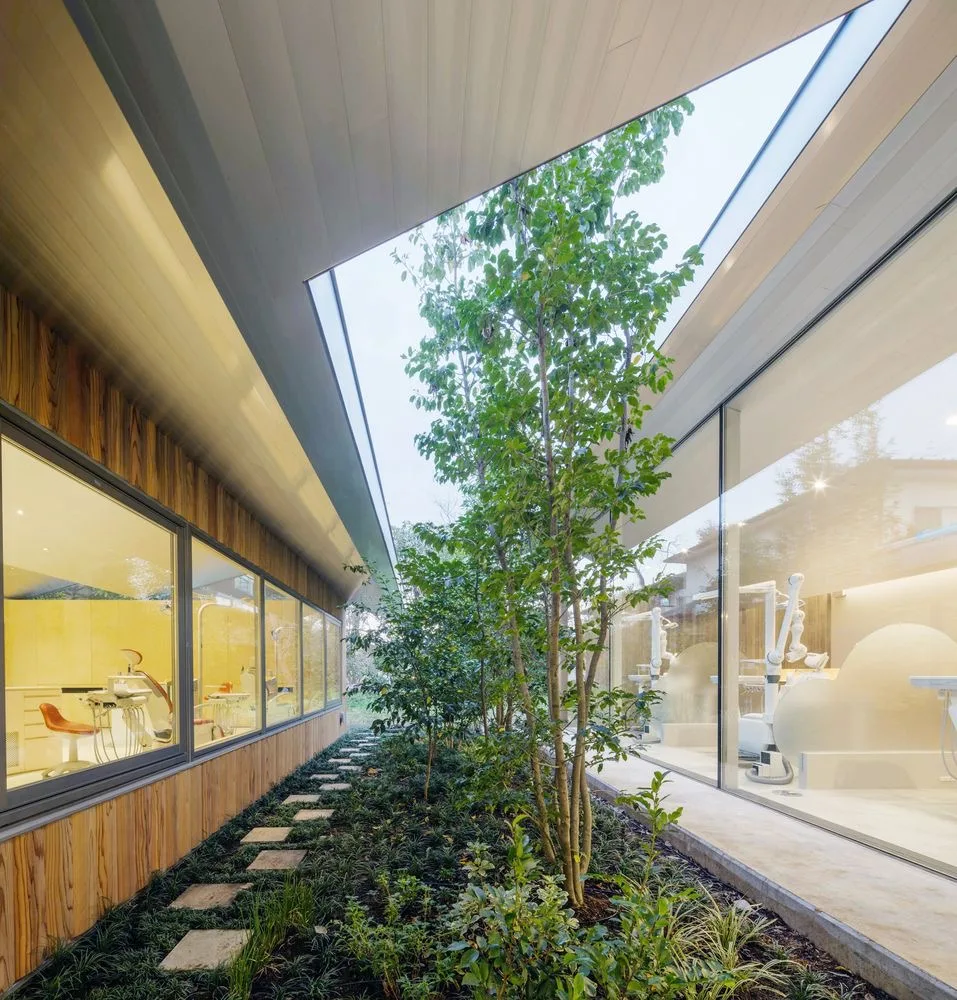
Biophilic design which integrates natural elements into built environments,significantly reduces hospitalization time, patient mortality, pain levels, and stress for healthcare providers.
Healing gardens adjacent to intensive care units provide essential respite for patients, families, and staff. These spaces should offer privacy, safety, security, and incorporate natural elements that engage multiple senses. Importantly, greater beneficial effects occur with longer exposure to nature and greater degrees of immersion.
Lighting, acoustics, and sensory comfort
Most healthcare facilities exceed WHO noise recommendations by 20-plus decibels, reaching sound levels comparable to big-city traffic. Noise levels between 60-90 dB(A) during patient occupancy exceed sleep disruption thresholds. Sound-absorbing ceiling tiles, rubber flooring, and soft furnishings play key roles in noise reduction.
Optimal lighting supports circadian rhythms with daytime light levels of 1000-2000 lux for at least 30-60 minutes. Studies show that natural lighting reduces stress and integrating adjustable lighting controls directly affects medical staff ability to perform their jobs.
Privacy, autonomy, and control in patient rooms
Privacy consistently ranks among patients’ top priorities. Consultation room doors left open create opportunities for others to see or hear examinations, making both patients and doctors uneasy. Research reveals that patients feel more in control when they can adjust surroundings—including room temperature, lighting, window blinds, and access to personal belongings.
Wayfinding and spatial clarity for all users
Effective wayfinding reduces stress and promotes a welcoming environment. Clear visual hierarchies using contrast, typography, and iconography ensure legibility from a distance. Color-coded zones or floors help users orient themselves quickly—particularly beneficial in large facilities where navigation challenges can increase blood pressure, heart rate, and frustration.
Digital directories, interactive kiosks, and mobile-friendly navigation apps can complement traditional signage. Importantly, avoid overly complex layouts—symmetrical and repetitive elements can be detrimental to navigation.
Cultural Sensitivity
Healthcare facilities in the UAE and GCC must address specific cultural requirements that directly impact patient comfort, family participation, and treatment outcomes. These considerations are not secondary features but essential design criteria.
Gender-Appropriate Spaces
Separate waiting areas for men and women remain a fundamental requirement in most GCC healthcare settings. Design considerations include:
- Dedicated female waiting areas with female-only registration and consultation zones
- Visual screening between gender-separated spaces while maintaining staff sightlines for safety
- Separate entrances where feasible, particularly for specialized women’s health services
- Consideration for family units requiring privacy while accessing care together
Prayer Facilities and Spiritual Needs
Prayer rooms must be integrated thoughtfully rather than treated as afterthoughts:
- Proper qibla orientation (toward Mecca) with clear directional indicators
- Separate ablution facilities with appropriate water access
- Acoustic treatment to provide quiet contemplation space
- Strategic placement accessible from patient floors, waiting areas, and staff zones
- Gender-separated prayer spaces in larger facilities
Family Involvement and Extended Care Networks
GCC culture emphasizes family participation in patient care, requiring specific spatial accommodations:
- Generous visitor seating and overnight accommodation options in patient rooms
- Family consultation rooms for private discussions with medical teams
- Flexible visiting policies reflected in spatial planning (wider corridors, larger waiting areas)
- Catering facilities that accommodate family members preparing or bringing food
Modesty and Privacy Considerations
Design must support cultural modesty requirements:
- Examination rooms with private changing areas and secure clothing storage
- Consultation spaces with controlled sightlines and sound attenuation
- Patient gowns and linens that provide fuller coverage options
- Window treatments that ensure privacy while maximizing natural light
Final Thoughts
When we design healthcare environments that honor human dignity, support cultural values, and prioritize healing over mere functionality, we’re not just creating better buildings. We’re creating better healthcare outcomes, stronger communities, and more compassionate care systems.
The evidence is clear: patients recover faster in well-designed environments. Staff perform better in spaces created for their wellbeing. Families participate more actively in care when spaces welcome their involvement. Cultural sensitivity in design reduces barriers to care and improves health equity. But perhaps most importantly, humanistic healthcare architecture reminds us that healing is fundamentally a human experience. Medical technology saves lives, but human connection and dignity restore hope.
When our built environments support both clinical excellence and human flourishing, we create spaces where true healing can happen. Explore our project portfolio.
References
- Agency for Healthcare Research and Quality. (n.d.). Transforming hospitals: Designing for safety and quality. Retrieved from https://www.ahrq.gov/patient-safety/settings/hospital/resource/transform.html •
- Health.gov. (n.d.). Health and human-centered design. Retrieved from https://health.gov/about-oash/io-programs-initiatives/innovationx/health-human-centered-design •
- National Center for Biotechnology Information. (2022). Patient perspectives in healthcare design research. Retrieved from https://pmc.ncbi.nlm.nih.gov/articles/PMC9116004/
- Unicel Architectural. (n.d.). Hospital design strategies to improve the patient experience. Retrieved from https://unicelarchitectural.com/hospital-design-strategies-to-improve-the-patient-experience/
Key Takeaways
- Healthcare architecture firms in the UAE must focus on dignity and humanistic design to improve patient outcomes.
- Patient dignity directly impacts care quality, yet it remains undervalued in current healthcare systems.
- Design elements like privacy, natural light, and biophilic elements play crucial roles in enhancing patient experience.
- Culturally sensitive design, including gender-appropriate spaces and family involvement, is essential in GCC healthcare settings.
- Integrating patient perspectives and evidence-based design can lead to better healthcare outcomes and a compassionate care system.