


The life sciences sector in 2026 stands at a critical juncture, defined by a fundamental departure from the static, traditional, high-inertia laboratory models of the previous century. The convergence of rapid therapeutic breakthroughs such as personalized mRNA vaccines and cell therapies and the integration of high-density artificial intelligence has necessitated a physical environment that mirrors the agility of the digital world.
This blog examines the transformation of laboratory infrastructure through three primary lenses: the economic necessity of modularity and scalability; the ethical mandate for sustainability and neuro-inclusive human-centricity; and the technical maturation of digital twins, invisible technologies, and reconfigurable biosafety containment.
The Economic Pillar: ROI, Scalability, and the Financial Architecture of Innovation
The financial modeling of laboratory real estate has undergone a profound shift as of 2026. The traditional focus on minimizing Initial Capital Expenditure (CAPEX) has been supplanted by a sophisticated understanding of Total Cost of Ownership (TCO) and the premium placed on “Time-to-Market” (TTM). In an industry where a month’s delay in research can translate into millions of dollars in lost patent life or late-entry market penalties, the laboratory facility is now viewed as a dynamic strategic asset rather than a sunk cost.
Comparative Expenditure: Modular ‘Ballroom’ Designs versus Traditional Fixed Casework
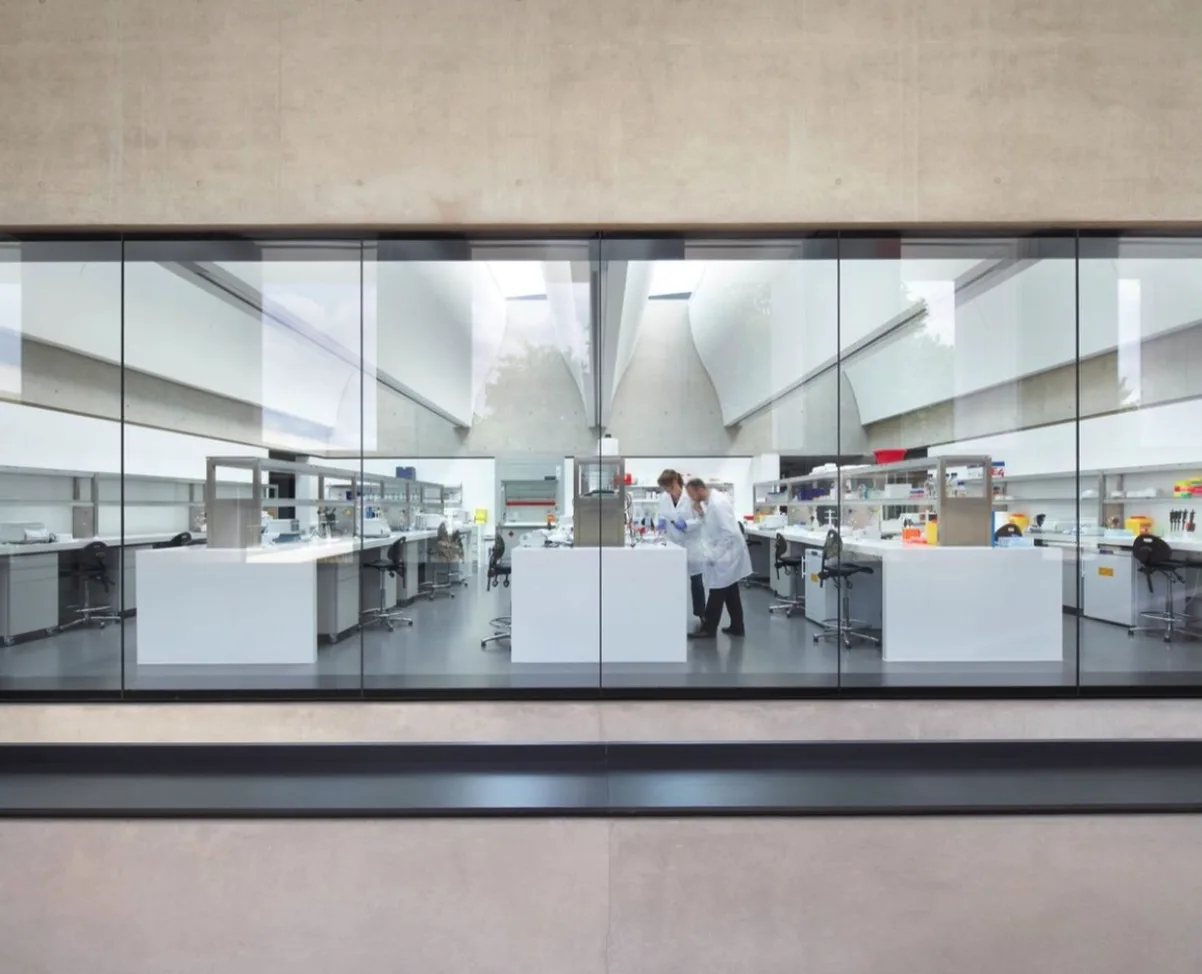
In 2026, the “Ballroom” lab design—characterized by wide, open floor plans with minimal internal partitions and ceiling-mounted utility drops has emerged as the preferred archetype for high-growth biotech entities. While the initial CAPEX for modular laboratories is typically 15% to 20% higher than traditional fixed-bench environments, the long-term Operational Expenditure (OPEX) and reconfiguration efficiencies provide a compelling return on investment.
Traditional laboratory furniture, often referred to as “bolted to the floor” casework, represents a static investment. When a research project concludes or a new workflow requires different equipment, these traditional spaces necessitate intensive demolition, new permitting cycles, and significant downtime. In 2026, the cost of reconfiguring a traditional lab is estimated between $300 and $500 per square foot, with timelines stretching from weeks to months.
Conversely, the modular “Ballroom” approach allows for near-instantaneous reconfiguration. A 2025 study highlighted that modular systems reduce installation time by 70%, allowing a lab to be fully functional in 2 to 3 days compared to the 2 to 4 weeks required for custom on-site construction.
The economic advantage of modularity is most pronounced in the “churn rate” the frequency with which laboratory spaces are modified to accommodate changing research. For facilities with high churn, the initial CAPEX premium of flexible design is typically recovered within three to five years of operation.
Lab-as-a-Service (LaaS) and the Maximization of Revenue per Square Foot
Flexible design allows these operators to improve their “gross to net” ratio. In an office-to-lab conversion, the usable area often drops to 60-65% due to the increased requirements for corridors, shared equipment zones, and goods delivery. By utilizing modular ballroom designs, operators can recapture some of this lost area, as the lack of fixed partitions reduces the footprint required for internal circulation.
Data from 2026 suggests that “Lab-as-a-Service” models can achieve a revenue premium of 20-30% over traditional long-term leases because they bundle high-value services:
- Shared access to high-end instrumentation (e.g., mass spectrometers, flow cytometers).
- Centralized EHS (Environmental Health and Safety) and waste management.
- On-site technical support and procurement services.
- Networking and community-building events that attract venture capital.
The Ethical Pillar: Sustainability, Human-Centricity, and Global Equity
In 2026, the laboratory is no longer viewed merely as a functional workspace but as an ethical environment where the well-being of the researcher and the planet are prioritized. This shift is driven by both societal pressure and a strategic recognition that sustainable, inclusive environments are more productive and resilient.
The Sustainability Paradox: Single-Use Technologies (SUT) vs. Circularity
The biopharmaceutical sector faces a significant ethical dilemma regarding Single-Use Technologies (SUT). In 2026, SUT—such as plastic bioreactor bags, tubing, and filters—has become synonymous with process efficiency and flexibility.
From an environmental standpoint, SUT is often touted as superior to traditional stainless steel technology (SST) because it eliminates the massive water and energy requirements needed for Steam-in-Place (SIP) and Clean-in-Place (CIP) sterilization.
However, the sheer volume of plastic waste generated is staggering. The sector produces an estimated 300 million tons of plastic waste annually While life-cycle analysis (LCA) often favors SUT due to the high embodied carbon of stainless steel and the energy intensity of cleaning cycles, these comparisons are increasingly viewed as redundant if they do not account for the “end-of-life” considerations of plastic.
Neuro-Inclusive Design and Sensory Ergonomics: The Multi-Sensory Lab
The human experience in the laboratory has taken center stage in 2026, with a focus on “Neuro-inclusive” design. This paradigm recognizes that approximately 15% to 20% of the population experiences significant sensory processing differences, including autism, ADHD, and dyslexia.
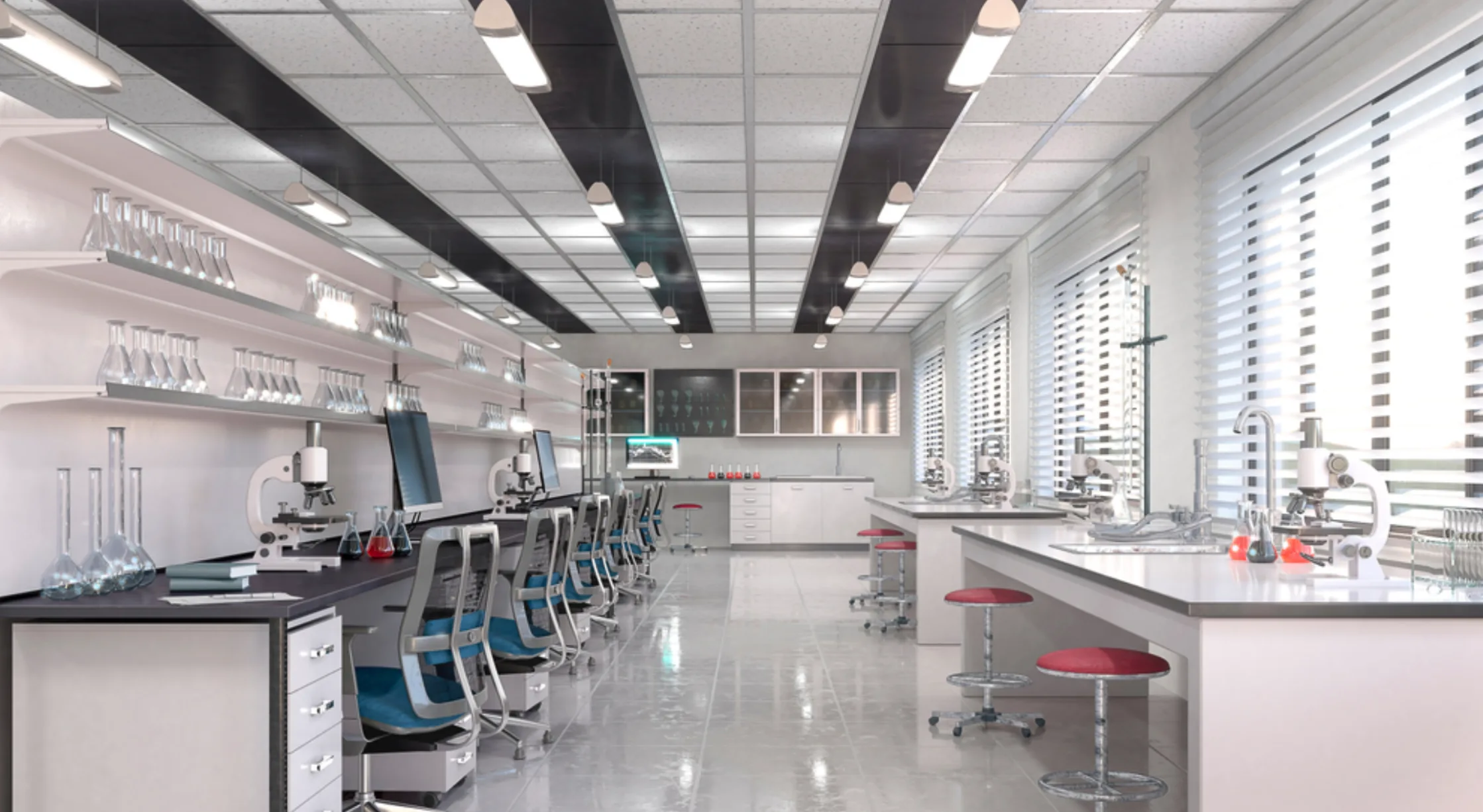
Conventional lab designs often characterized by harsh fluorescent lighting, constant equipment hum, and high-contrast surfaces—can be overwhelming and counterproductive for these individuals. Modern laboratory layouts in 2026 accommodate these cognitive needs through “Sensory Zoning” and advanced ergonomics:
- Acoustic Zoning: Labs are divided into zones based on sound intensity. Noisy equipment (centrifuges, shakers) is moved to glass-enclosed rooms, while “Quiet Focus Zones” utilize sound-absorbing materials and maintain a noise criteria (NC) level of 30-35 (40-45 dB).
- Circadian Lighting: Lighting systems mimic the natural movement of the sun, adjusting color temperature and intensity throughout the day to support the alertness and accuracy of researchers working 8-12 hour shifts.
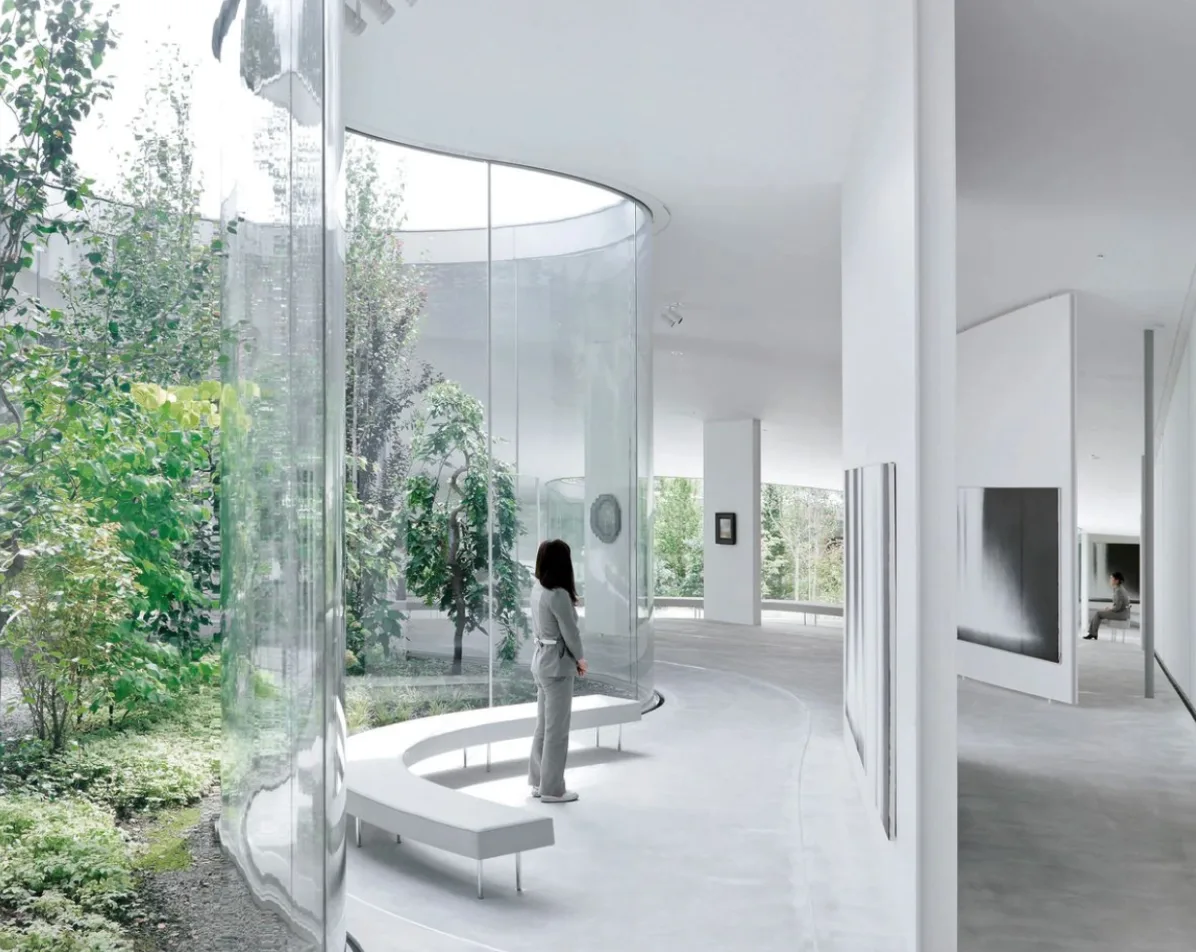
- Decompression Zones: Quiet retreat rooms or “pods” are provided for recovery during periods of high cognitive work. These spaces often incorporate biophilic elements, natural materials, and warmer lighting to reduce sensory fatigue.
- Visual Ergonomics: To prevent visual overload, labs use muted colors and off-white surfaces to reduce glare behind workstations.
The Shift Toward ‘Invisible Technology’ and Wireless Power
The removal of cables and cords is a defining trend of the frictionless lab in 2026. “Invisible Technology” refers to the integration of sensors and power systems directly into the lab’s fabric (ceilings and benches). The removal of tethered equipment improves safety and workflow efficiency in several ways:
- Elimination of Tripping Hazards: Removing floor-based cabling reduces the risk of accidental slips and falls.
- Improved Hygiene: Cordless equipment is easier to decontaminate, as there are no cables to trap dust or biological agents.
- Agile Equipment Clusters: Instruments can be moved and clustered as needed for a specific experiment without the constraint of proximity to a fixed wall outlet
Ceiling-embedded sensors also track real-time occupancy and sample flow, providing data that allows the Building Automation System (BAS) to optimize lighting and ventilation, thereby reducing the lab’s carbon footprint.
The Laboratory as a Strategic Asset
The analysis of laboratory design in 2026 reveals that the division between the “physical workspace” and the “scientific process” has effectively vanished. The laboratory has evolved into a strategic asset that is as much defined by its spatial geometry and digital twin as by the research it houses.
Economically, the adoption of modular “ballroom” designs and the 11-foot module represents an insurance policy against scientific obsolescence. While the upfront CAPEX is higher, the 22% reduction in long-term OPEX and the ability to pivot rapidly between wet and computational workflows ensure a superior ROI and a faster Time-to-Market for both startups and established pharma giants.
Ethically, the industry is navigating the “Green Paradox” of Single-Use Technology by moving toward circularity, while simultaneously embracing neuro-inclusive design to enhance the productivity and well-being of a diverse workforce. In the Global South, modularity is the cornerstone of a “New Public Health Order,” enabling the domestic production of life-saving therapies and bridging the innovation gap. Technically, the maturation of “Invisible Technology” has created a frictionless, audit-ready environment where safety and efficiency are built into the fabric of the building. The ability to flex biosafety levels through sophisticated HVAC engineering ensures that facilities can respond to the next generation of infectious disease research without permanent structural changes.
In conclusion, the successful laboratory of the future is not a fixed monument to today’s science, but a fluid, intelligent, and human-centric ecosystem designed to accommodate the unknowns of tomorrow. Organizations that prioritize flexibility, sustainability, and digital integration today will be the leaders of the biopharmaceutical revolution of the next decade.